

Latin American Symposium
Latin American Symposium
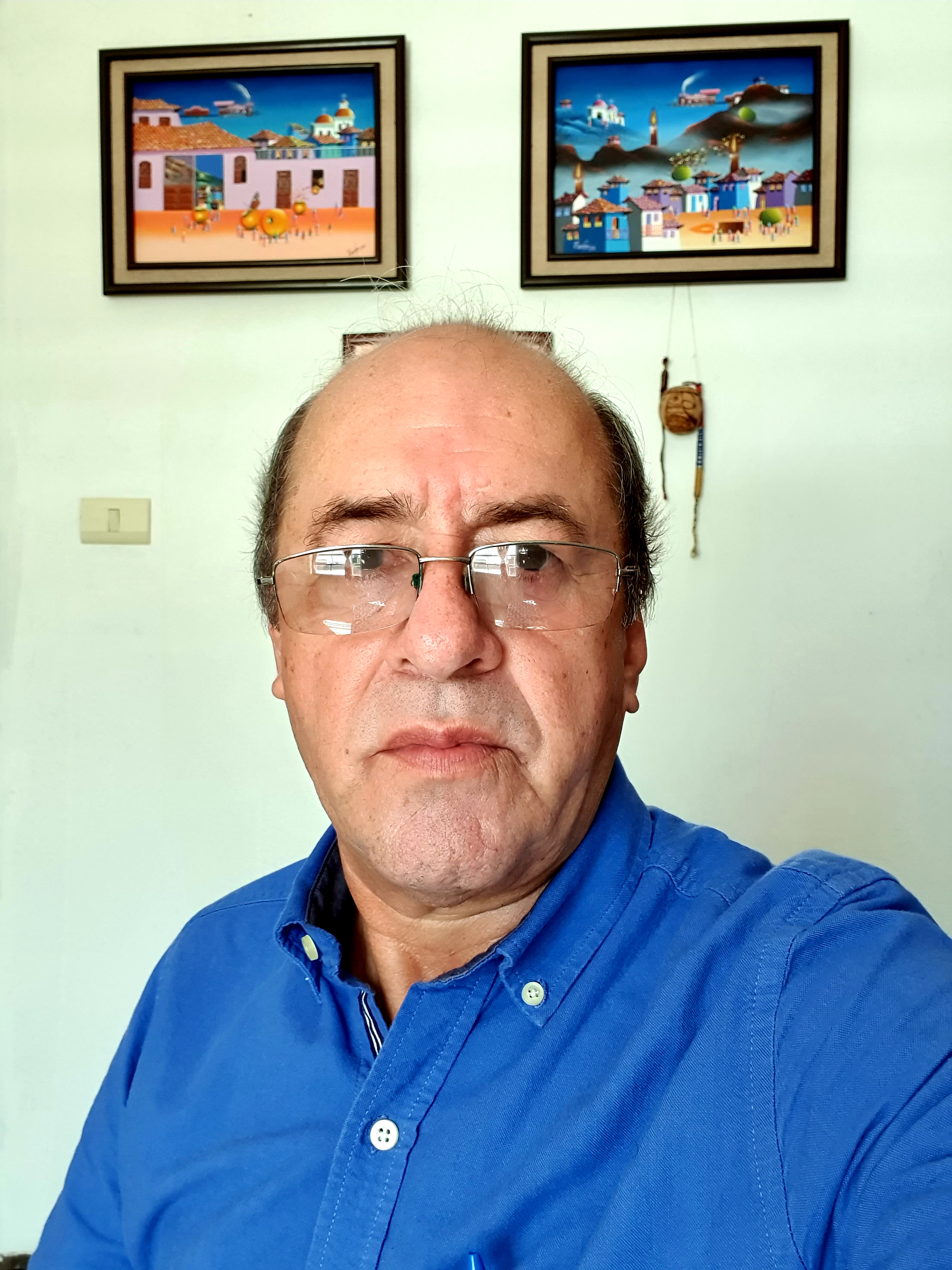
JOSÉ G. ORDÓÑEZ, Sr., n/a
Investigator
INSTITUTO NACIONAL DE SALUD PÚBLICA, Chiapas, Mexico
LUIS A. CISNEROS, Sr., n/a
Investigator
INSTITUTO NACIONAL DE SALUD PÚBLICA, Chiapas, Mexico
Farah Zamira Vera Maloof, Doctor en Ciencias
Instituto Nacional de Salud Pública de México, Chiapas, Mexico
Kenia Mayela Valdez Delgado, Doctor en Ciencias
Instituto Nacional de Salud Pública de México, Chiapas, Mexico
Latin America, including México, has experienced increasing dengue cases in the recent decades with Aedes aegypti as primary vector. Pyrethroid insecticides have been extensively used as adulticides posing strong selection pressure for the vectors in several parts of the country. Here, we evaluated the biological efficacy and residual effects of Sovrenta®15WP, a novel insecticide belonging to the Isoxazolines class of chemistry, with a novel mode of action for resistance management (IRAC, Group 30).
Wall bioassays (WHO cones) were conducted with female Aedes aegypti mosquitoes, Tapachula (Chiapas, México) field strain, to evaluate the biological efficacy and 120-day residual effect of Sovrenta® 15WP, applied using the IRS methodology (WHO) on three types of surfaces, cement, concrete block and wood.
The surfaces were treated at a dose of 150 mg a.i./m², using a Hudson® X-Pert manual compression sprayer equipped with a Teejet 8002 flat fan nozzle. The study was conducted in accordance with Mexican regulations from the Ministry of Health and WHO guidelines.
Mosquitoes were exposed to the treated surfaces for 30 minutes. At the end of the exposure period, the knockdown effect was registered. Mortality was recorded at 24, 48, and 72 h post-exposure due to the mode of action. For residual activity on surfaces, bioassays were repeated on a post-treatment schedule on days 1, 15, 30, 60, 75, 90, 105, and 120.
The mortality observed at 72 h post-exposure was high: cement 100% concrete block 100%, wood 96.67%. For residual effect at 120 days post-treatment, high mortality was also observed at 72 h post-exposure: cement 100%, concrete block 100%, wood 100%. No mortality was recorded in the negative control. The results demonstrate high efficacy and long-lasting residual activity till 120 days after exposure on all surfaces tested.